If you want a deadbolt fitted quickly and with confidence, you need a clear plan and a pro who knows the tricks of the trade. These notes come from real installations, from awkward metal frames to trim carpentry that needed rescue, and they reflect what I actually do on a job. local deadbolt locksmiths are often faster and more reliable than the DIY route for most people. If you care about a solid lock that works for years rather than a quick fix, keep reading.
Selecting the correct deadbolt for your entry.
Picking a deadbolt is not just about grade stickers, it's about the door, the jamb, and how the lock will be used. Most homeowners choose a single-cylinder deadbolt because it operates with a key outside and a thumb turn inside, while double-cylinder locks require a key on both sides and can complicate emergency exit. ANSI Grade 1 locks are the top commercial standard, Grade 2 is solid for homes, and Grade 3 is the least robust but common in basic replacements.
A common mistake is ordering a lock that doesn't match the existing bore or backset, which forces extra carpentry later. Take two measurements and bring them to the store or include them with your online order to reduce misbuys.
What I check on the door before any drilling.
A proper installation begins long before the lock hits the door, with frame inspection and hinge checks. If hinges are stripped or screws are four inches of short pan-heads, replace them with longer screws and square them up before mounting a heavy deadbolt. A reinforced strike plate with 3-inch screws makes the single biggest difference to resisting forced entry, so plan that upgrade if you can.
If the deadbolt and latch don't line up with the strike plate, a quick shim might look like a fix but will cause wear; adjust the jamb instead. A sticking bolt usually indicates misalignment or a bent bolt, not a defective cylinder, so diagnose the mechanical fit first.
The sequence I follow on standard installs.
Following a tested order avoids coming back to correct alignment problems after the lock is tightened. Start by marking the vertical center of the door edge and the height where the deadbolt will live, typically 6 to 12 inches above the handle depending on homeowner preference. I always back the https://transponderkeyimhw212.theglensecret.com/local-lockout-specialist-business door with scrap wood when drilling to prevent tear-out on the interior face.
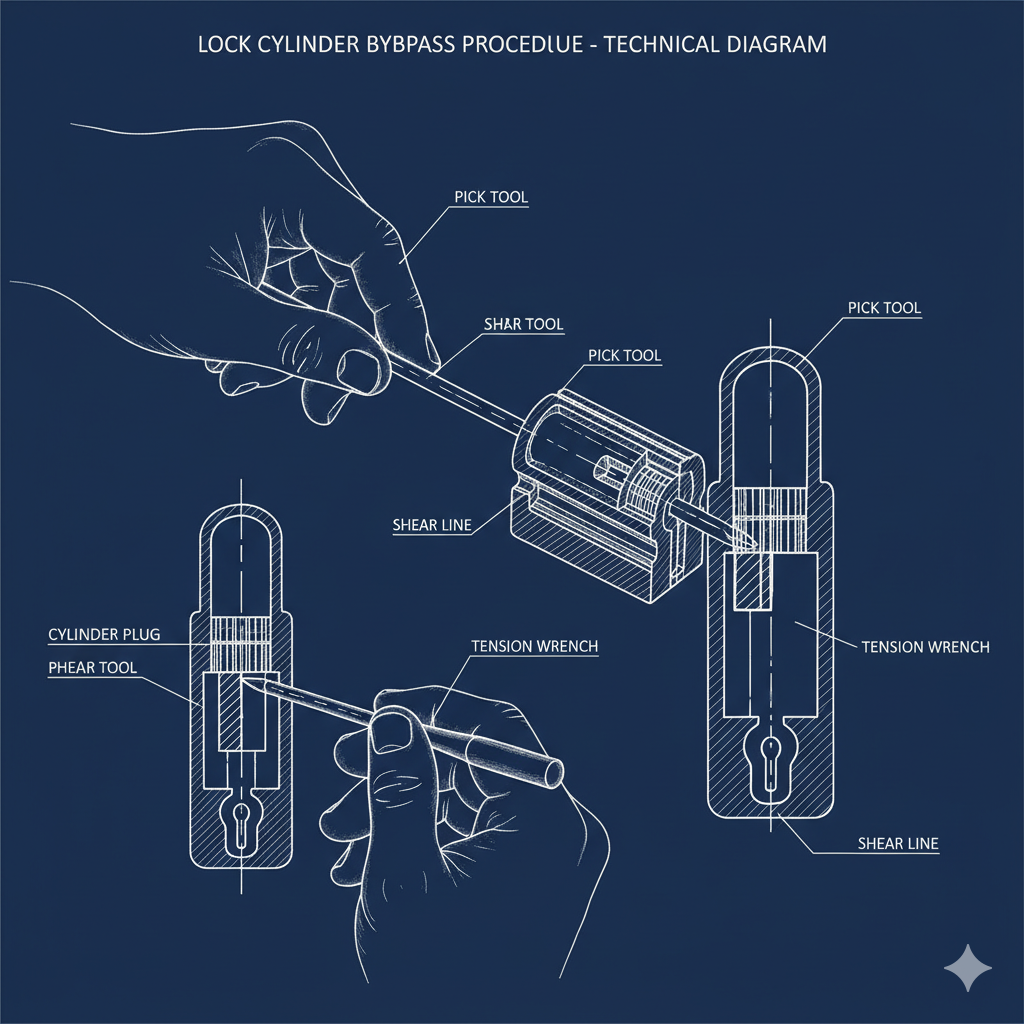
A chisel and patience win here; if you undercut the mortise the plate will sit proud and the bolt will drag. Those long screws transfer load to the frame, which is the point of strengthening the assembly against forced entry.
Pick a cylinder that fits your lifestyle.
Choosing the cylinder is more than brand preference, it's about key control and future rekeying needs. A rekeyable cylinder saves money over time if you change tenants, lose keys, or want to reduce the number of physical keys in circulation. A cylinder with anti-drill pins and a sacrificial anti-snap section obstructs common forced-entry methods better than a basic tube keyway.
Smart deadbolts and electronic options - worth it or overkill?
Electronics can bring convenience like remote access and activity logs, but every added feature increases failure modes. Make sure any electronic deadbolt you pick has a robust mechanical override and clear battery replacement instructions so you are never locked out if the electronics fail. I've rescinded plans to add electronics until the physical door operation is perfect, because software cannot fix a warped frame.
Estimating time and money for a proper job.
If you are replacing a like-for-like deadbolt on a standard door, expect about 30 to 60 minutes plus testing. Expect cost variations: the lock itself can range from about $40 for a basic Grade 3 unit to several hundred for Grade 1 or smart models, plus labor if you hire a locksmith. Professional locksmiths carry the right templates, long screws, and drill bits so you do not have to improvise with the wrong tools.
What often goes wrong and how I correct it.
Many of the failures I see are preventable: misaligned strikes, weak screws, cheap cylinders, and ignored hinge repairs. A deadbolt that binds is almost always an alignment problem, not an electrical or key issue, so correcting the strike position is the right fix rather than replacing the lock. Rekey mistakes are also common when previous owners left multiple key blanks in circulation, so I recommend rekeying or replacing cores when you move into a new home.
Maintenance and simple checks that extend lock life.
I advise checking hinge screws, strike screws, and the latch travel once a year and after extreme weather changes. If a key becomes stiff, stop forcing it and clean the keyway or consult a locksmith before the cylinder is damaged. If you hear grinding or notice keys that wiggle excessively, consider cylinder replacement sooner rather than later, because those are early signs of internal wear.
Assessing edge cases and trade-offs.
If the door is original to a 1970s house with a soft, split jamb, replacing the bolt without addressing the frame is a short-term fix. Upgrading to a reinforced jamb and matching high-security cylinders makes sense when you want long-term deterrence, especially on primary entrances and sliding doors. If you live in a multi-unit building, coordinate changes with building management to ensure master-key systems and access plans remain consistent.
How to verify the job is done properly.
I hand the homeowner a test checklist: operate the bolt from inside and outside, test keys, check alignment when the door is latched, and cycle the lock several times. Ask for a short warranty on workmanship and a readable receipt showing parts and cylinder types so there is accountability if something fails soon after installation. Good installers teach you simple care steps and leave the installation area clean, which is a small but telling sign of pride in the work.
Locksmith in Orlando, Florida: If you’re looking for a reliable locksmith in Orlando, FL, our company is here to help with certified and trustworthy locksmith services designed to fit your needs.
Locksmith Orlando | Locksmith Unit
- Address: 3725 Conroy Rd, Orlando, FL 32839, United States
- Phone: +1 407-267-5817
- Hours: Open 24 hours
- Website: locksmithunit.com
- Contact Us: Contact Locksmith Unit Orlando, FL
- About Us: About Locksmith Unit Orlando, FL
Connect with us
- Google Business Profile: Locksmith Orlando | Locksmith Unit on Google Maps
- Facebook: Locksmith Orlando | Locksmith Unit on Facebook
- Instagram: Locksmith Orlando | Locksmith Unit on Instagram
- YouTube: Locksmith Orlando | Locksmith Unit on YouTube
- TikTok: Locksmith Orlando | Locksmith Unit on TikTok
- X (Twitter): Locksmith Orlando | Locksmith Unit on X (Twitter)
- LinkedIn: Locksmith Orlando | Locksmith Unit on LinkedIn
- Pinterest: Locksmith Orlando | Locksmith Unit on Pinterest
- Threads: Locksmith Orlando | Locksmith Unit on Threads
- Blogger: Locksmith Orlando | Locksmith Unit on Blogger
- Tumblr: Locksmith Orlando | Locksmith Unit on Tumblr
- Bluesky: Locksmith Orlando | Locksmith Unit on Bluesky
- Band: Locksmith Orlando | Locksmith Unit on Band
- VK: Locksmith Orlando | Locksmith Unit on VK
- Yelp: Locksmith Orlando | Locksmith Unit on Yelp
Worldwide Brand Profiles
- Medium: Locksmith Unit on Medium
- Instapaper: Locksmith Unit on Instapaper
- Diigo: Locksmith Unit on Diigo